
Heat Pump vs Boiler in 2026: Which Is Best for Your Loughborough Home?
Jan 30, 2026
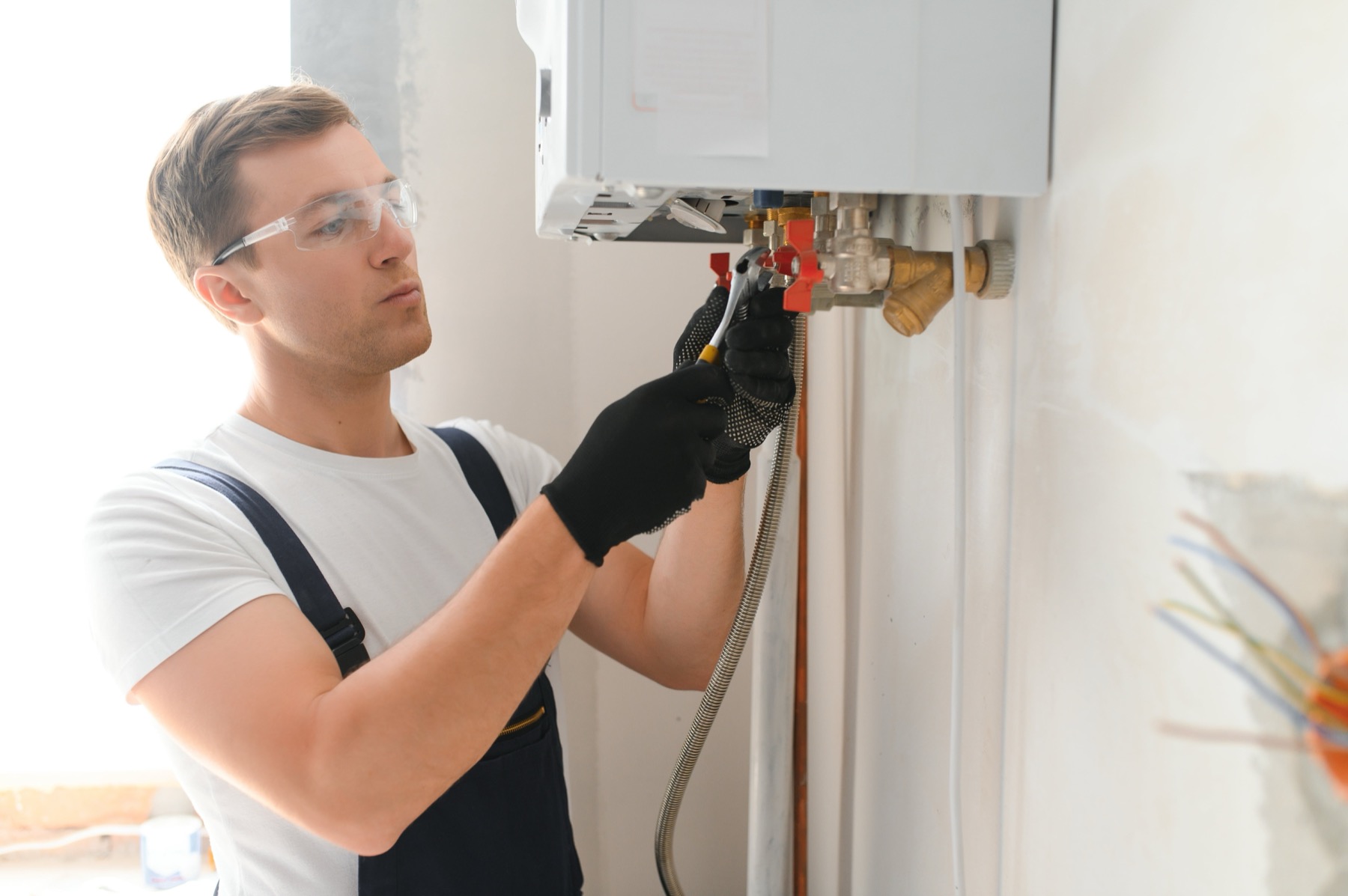
Choosing between a heat pump vs boiler in Loughborough is no longer a simple like-for-like replacement decision. For homeowners, landlords, and small developers, heating choices now sit at the intersection of energy costs, carbon targets, government grants, and long-term property planning.
Gas boilers still heat most UK homes, but air source heat pumps are becoming increasingly visible, supported by grants and policy changes. This has left many property owners asking a practical question: Should I stick with a boiler, or is a heat pump the better option in 2026?
This guide explains the real differences between a heat pump or boiler that households must consider. We compare costs, efficiency, suitability, and long-term value. By the end, you will understand which system fits your property, budget, and future plans.
What Is the Difference Between a Heat Pump and a Boiler?
Before comparing outcomes, it is important to understand how each system works in practical terms.
How Does a Gas Boiler Work?
A gas boiler heats water by burning natural gas or LPG. That heat is then distributed through radiators, underfloor heating, and hot water taps.
Modern condensing boilers are efficient and familiar, making them a common choice for boiler replacements and upgrades. They integrate easily with existing pipework and radiators, which keeps installation time and disruption relatively low.
How Does a Heat Pump Work?
A heat pump uses electricity to extract low-level heat from the air outside your home and converts it into usable heat for space heating and hot water.
An air source heat pump vs gas boiler comparison highlights one major difference. Heat pumps move heat rather than generate it. This allows them to deliver more heat energy than the electricity they consume, under the right conditions.
Heat pumps work best with good insulation, lower flow temperatures, and heat emitters such as larger radiators or underfloor heating.
Heat Pump vs Boiler 2026, How Do They Compare on Efficiency?
Efficiency is one of the most important factors driving interest in heat pump installation East Midlands wide.
Boiler Efficiency
Modern condensing boilers typically operate at around 90 to 95 percent efficiency. This means most of the fuel burned is converted into usable heat.
However, efficiency is still limited by the fact that boilers rely on fossil fuels, and gas prices remain volatile.
Heat Pump Efficiency
Heat pumps are measured using a coefficient of performance, often between 3 and 4. This means one unit of electricity can deliver three to four units of heat.
From an energy efficiency perspective, heat pumps outperform boilers. From a cost perspective, results depend on electricity tariffs, insulation levels, and system design.
Heat pumps can significantly reduce carbon emissions when installed in suitable homes and properly sized systems.
Upfront Costs, What Can You Expect in 2026?
Boiler Installation Costs
For most homes, replacing a boiler remains the lower upfront cost option.
Typical factors influencing cost include:
- Boiler type and output
- Flue position and pipework
- Any system upgrades or power flushing
Boiler installations are often completed within one to two days, which reduces labour costs and disruption.
Heat Pump Installation Costs
Heat pumps involve higher upfront costs due to:
- External unit installation
- Hot water cylinder requirements
- Potential radiator or pipework upgrades
However, the boiler upgrade options in Loughborough have changed due to government support.
The UK government currently offers grants under the Boiler Upgrade Scheme to switch to an air source heat pump by significantly reducing upfront costs for eligible properties.
Learn more about the boiler upgrade grant
Running Costs, Which System Is Cheaper Day to Day?
Boiler Running Costs
Boiler running costs are driven by gas prices, which remain unpredictable. While modern boilers are efficient, ongoing fuel costs are a long-term consideration.
Heat Pump Running Costs
Heat pumps use electricity, which is more expensive per unit than gas. However, because heat pumps deliver more heat per unit of energy, overall costs can balance out.
In well-insulated homes, heat pumps can offer comparable or lower running costs than boilers, particularly when paired with smart controls or future solar integration.
This makes heat pumps increasingly attractive for homeowners thinking beyond short-term savings.
Which Homes in Loughborough Suit a Boiler?
Despite growing interest in renewables, boilers remain the right choice for many properties.
A boiler may be better if:
- Your home has limited insulation
- You want a fast, lower-cost replacement
- Your existing radiators are designed for high temperatures
- You need minimal disruption
Boilers also remain common in rental properties where installation speed and familiarity are important.
Which Homes in Loughborough Suit a Heat Pump?
The best heating system for UK homes 2026 conversation increasingly includes heat pumps for the right properties.
Heat pumps are well-suited if:
- Your home is well insulated
- You are upgrading radiators or installing underfloor heating
- You plan to stay in the property long term
- You want to reduce carbon emissions
Heat pumps work particularly well in newer homes, renovated properties, and homes planning wider energy upgrades.
If you are considering renewable options, explore heat pump installation and underfloor heating options
Heat Pumps, Boilers, and Government Policy in 2026
UK policy continues to encourage low-carbon heating, but gas boilers are not banned in existing homes.
What this means in practice:
- Boilers remain legal and widely installed
- Heat pumps are increasingly incentivised
- Grants are designed to reduce adoption barriers
The choice is about suitability, not pressure. A well-installed boiler is still a valid solution in 2026.
FAQs
Q. Are heat pumps reliable in cold UK winters? Yes, modern air source heat pumps are designed to operate in UK winter temperatures when correctly specified.
Q. Do I need to replace my radiators for a heat pump? Possibly. Heat pumps often require larger radiators or underfloor heating to work efficiently.
Q. Can I switch from a boiler to a heat pump later?
Yes. Many homeowners choose a phased approach, replacing a boiler now and planning a heat pump upgrade later.
For additional guidance, see our FAQs page or speak directly with a local specialist.
Heat Pump vs Boiler 2026, Which Is Best for You?
There is no universal answer to the heat pump vs boiler debate.
Choose a boiler if you want:
- Lower upfront cost
- Fast installation
- Minimal system changes
Choose a heat pump if you want:
- Lower carbon emissions
- Long-term efficiency
- Access to grants and future energy flexibility
The best choice is the one that fits your property, budget, and long-term plans.
Speak to a Local Heating Specialist in Loughborough
If you are weighing up a heat pump or boiler UK solution, the next step is informed advice, not guesswork. At DK Gas Professional, we support homeowners with balanced guidance on boilers, heat pumps, and hybrid options.
Call us: 07427853421
Email: info@gasrenewable.co.uk